In My Kishu Ken Era Wavy Svg
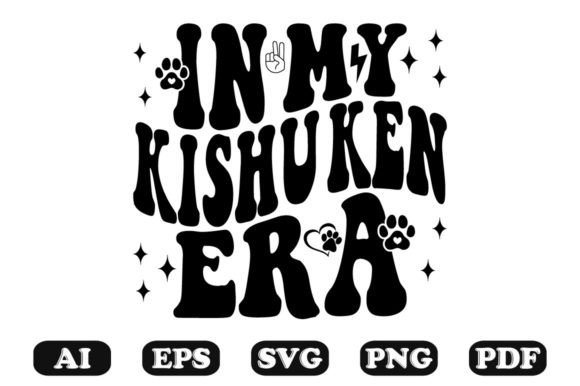
As a designer who’s spent years working with machine embroidery designs, I’ve seen my fair share of SVGs that look great on screen but fall apart in real-world use. In My Kishu Ken Era Wavy Svg is one that caught my attention not just for its retro aesthetic, but for how it translates to actual embroidery projects. Let’s break down what this design offers and where it truly shines.
The First Impression: A Retro Vibe with Modern Potential
The first thing that stands out about In My Kishu Ken Era Wavy Svg is its nostalgic, wavy typography. It has that vintage feel that feels both familiar and fresh—like something you might find on a 70s T-shirt or a classic album cover. The layout is clean, with a balanced composition that doesn’t feel cluttered. The wave pattern adds movement without overwhelming the design, making it versatile for different applications.
This design seems to belong in the realm of custom apparel, especially items like t-shirts, sweatshirts, and tote bags. Its retro appeal makes it a strong candidate for handmade products aimed at customers who appreciate vintage aesthetics. Whether it’s used as a standalone piece or layered with other elements, it has a visual personality that commands attention.
Real-World Embroidery Performance: What Works and What Doesn’t
When testing In My Kishu Ken Era Wavy Svg on different fabrics, I found that it performs well on medium-weight materials like cotton and polyester blends. The stitch density is moderate, which means it won’t be too heavy on delicate fabrics, but it still holds up well on thicker materials like denim or canvas. However, there are a few considerations to keep in mind.
One thing to watch is the size of the hoop. If you’re working with smaller hoop sizes, parts of the design may get cut off or require multiple hooping sessions. This can be time-consuming and may affect the overall consistency of the embroidery. For larger projects, like tote bags or sweatshirts, it’s better to use a full-sized hoop to maintain the integrity of the wavy lines.
Another factor is fabric texture. On textured or stretchy materials, the design may not sit as smoothly as it would on a flat, non-stretch fabric. This is where proper stabilizer use becomes essential. A good layer of tear-away or water-soluble stabilizer can help prevent puckering and ensure the design stays crisp after stitching.
Where to Use It: Perfect for Custom Apparel and Handmade Gifts
In My Kishu Ken Era Wavy Svg is ideal for custom apparel projects. It works well on t-shirts, sweatshirts, and even baby clothes, where the retro vibe can add a unique touch. For small business owners or Etsy sellers, this design could be a great addition to a line of vintage-themed merchandise. Its simplicity allows for easy customization, such as adding names or dates for personalized gifts.
It also has potential for holiday or seasonal projects. Imagine a Christmas sweater with this wavy design or a summer tote bag featuring it in bold colors. The design’s versatility makes it suitable for both casual and more formal settings, depending on how it’s styled.
Where to Be Careful: Fabric, Detail, and Washing
There are some scenarios where In My Kishu Ken Era Wavy Svg might not perform as well. For instance, on dark fabrics, the design may not stand out as much unless you use a contrasting thread color. Light-colored fabrics, on the other hand, allow the design to pop without needing extra embellishments.
Small details, like the corners of the wave pattern, can be tricky to execute perfectly. If the design is too intricate, it might lose definition when stitched. This is especially true for thin or stretchy fabrics, where the stitches can pull or distort the shape. It’s important to test the design on scrap fabric before committing to a final project.
For products that will see frequent washing, like kitchen towels or baby clothes, make sure the design is durable enough to withstand repeated cycles. Using a high-quality stabilizer and proper stitching techniques can help increase longevity.
Design Notes for Embroidery Professionals
If you’re an embroidery designer or a small business owner looking to use In My Kishu Ken Era Wavy Svg, here are a few practical tips:
- Test on scrap fabric first to see how the design looks in real life and adjust as needed.
- Check thread color contrast against the fabric to ensure visibility and clarity.
- Review stitch density to avoid over-stitching or under-stitching.
- Confirm hoop size to make sure the entire design fits without being cropped.
- Inspect small details for sharpness and accuracy, especially around the wave patterns.
- Test in black and white mockups to see how the design appears without color.
- Compare light and dark backgrounds to determine the best application for your project.
- Use proper stabilizer to prevent distortion on stretchy or textured fabrics.
- Verify licensing before selling finished products or digital files.
Final Thoughts: A Design That Offers Nostalgia with Practicality
In My Kishu Ken Era Wavy Svg is more than just a pretty SVG—it’s a design that can bring character and charm to a wide range of embroidery projects. Whether you’re creating custom apparel, personalized gifts, or small shop merchandise, this design has the potential to elevate your work and attract customers who appreciate vintage style.
With a little care and testing, In My Kishu Ken Era Wavy Svg can become a staple in your design library. Just remember to consider the fabric type, stitch density, and hoop size to ensure the best possible outcome. For those looking to blend nostalgia with modern craftsmanship, this design is definitely worth exploring.